Global Campaign Operations Across 17 Countries

Organisation
Unilever (via Havas CX)
Role
CX/Project Manager
Duration
2021–2022
Problem
Seventeen countries. More than thirty brands. A five-person account team, two of us project managers.
The math is the whole story. Every market had its own way of asking for a campaign, its own idea of what counted as a finished brief, and its own calendar. Requests arrived by email, by call, and as forwarded documents that assumed context we did not have. Before anyone could start work, someone had to reconstruct what was actually being asked for, and that reconstruction happened again for every market, every brand, every cycle.
Nothing was broken in a way that showed up on a status report. Campaigns went out. But the team was absorbing the cost of an undefined intake process, and at that ratio of markets to people, absorbing it is not a plan.

My role
CX/Project Manager at Havas CX, one of two project managers on the five-person account team. I ran multinational email marketing delivery for Unilever across all 17 countries and 30+ brands, coordinating cross-functional and multicultural teams, standardizing documentation, and designing the intake process the markets used to reach us.
Outcome
- A single service form replaced ad hoc briefing across all 17 markets, streamlining brief and campaign intake
- Documentation and workflows standardized across 30+ brands, so the same request looked the same wherever it came from
- Campaign efficiency and budget alignment improved across the account
How I solved it
Finding the real bottleneck
The obvious complaint was volume, and the obvious answer to volume is more people, which was not available. So I looked at where time actually went. Production was rarely the holdup. The delay lived in the gap between a market deciding it wanted a campaign and the team having enough information to start one, and that gap was filled with follow-up questions. A follow-up question that has to wait for another market's morning costs a day, not a minute.
The work was not slow. Getting the work to a startable state was slow.
A service form, not a process document
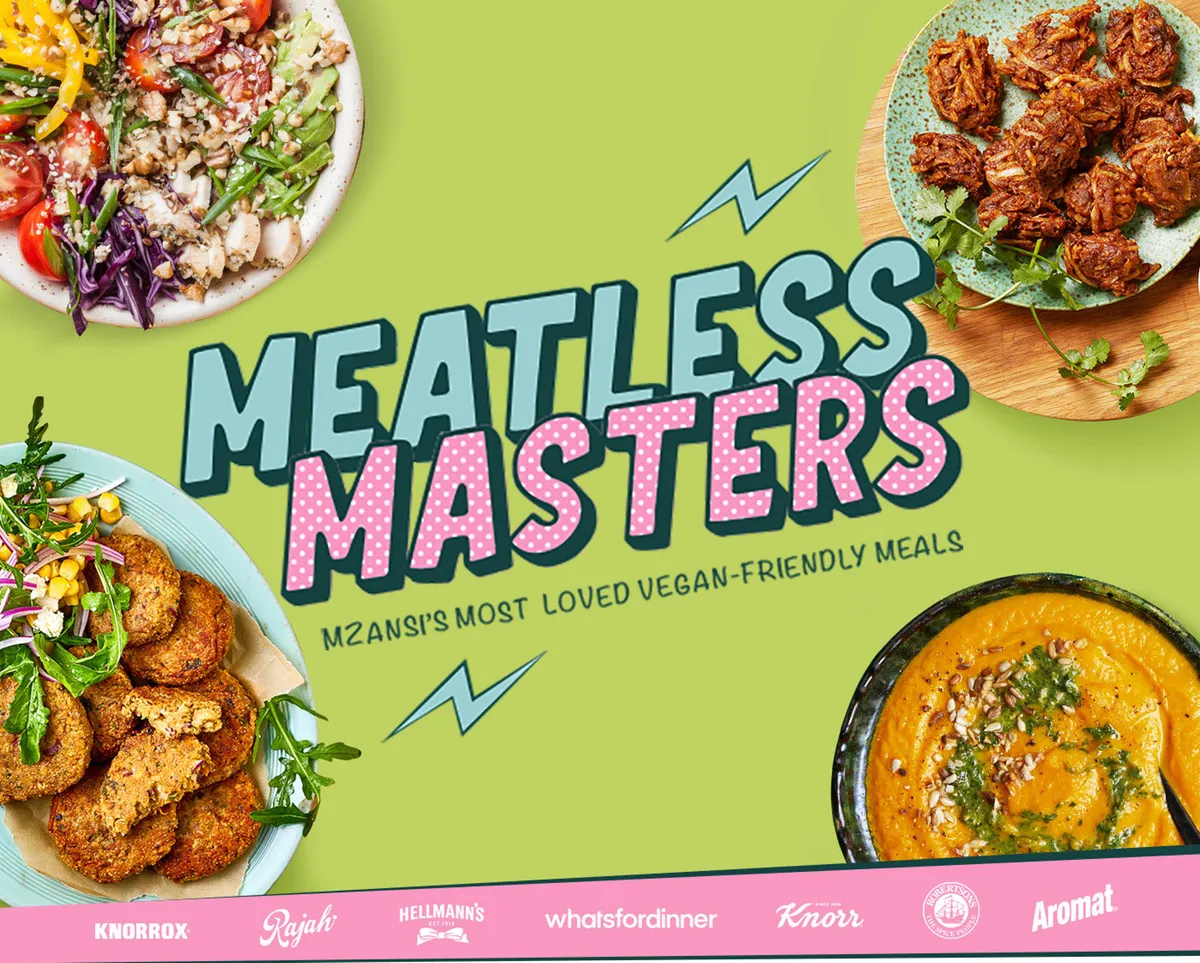
Writing a process document would have been faster for me and useless for everyone else. Nobody in a busy market team reads a document about how to brief; they do what worked last time. So the standard had to be the path of least resistance rather than a rule.
I designed a service form that carried the standard inside it. Asking for a campaign meant filling it in, and filling it in meant the questions we would otherwise have had to ask were answered up front. An incomplete request was visibly incomplete before it ever reached the team, which moved the clarification out of our queue and back to the moment when the requester still had the answer in their head.
Making one thing look the same in seventeen places
Seventeen markets means seventeen sets of local norms, and a fair amount of the job was cultural rather than procedural. I did not try to flatten those. What had to be identical was the shape of the request and the vocabulary around it, so a brief from one market could be picked up by anyone on the team without translation. Everything else, how a market ran its own approvals internally, how it worked with local stakeholders, stayed local.
Standardizing documentation across 30+ brands did the same job on the other side of the pipeline. Naming, structure, and asset handling were consistent, so knowledge moved between brands instead of being rebuilt each time.
Coordination as the actual product
On an account like this, my real output was the conditions that let five people cover a footprint that size: predictable intake, shared documentation, and clear ownership of every moving part. None of that is visible from outside, and it is what kept the operation from depending on any one person's memory.
What shipped
A standardized intake and documentation system for Unilever's email marketing operation across 17 countries and 30+ brands: one service form as the front door, consistent campaign documentation behind it, and workflows a five-person team could run without a rescue every week.
What worked
Attacking intake instead of throughput. Putting the standard inside a tool people had to use anyway, rather than in a document they would not read. Standardizing the interface between markets and the team while leaving each market its own way of working internally.
What I'd do differently
Version the form deliberately from the start. It changed as we learned what was missing, and treating those changes as releases, announced, dated, explained, would have saved a round of confusion in the markets that had already learned the old version.
// Other works
Have a look at my other work
Internal AI Product Strategy: Governance and Trust Architecture
An internal strategy for taking AI from demo to production: every metric defined once and certified before a model can query it, and a tiered approval model that keeps a human on the final call.

FREENOW
AI Product Strategy (case study)
Cutting Onboarding from Six Months to One
A documentation framework at mrge that took team onboarding from six months to one, built while owning three core API products for 20+ platform partners.
mrge
Product Manager